
Groundwater Recovery: Success Stories Offer Hope
A new study highlights successful groundwater recovery strategies worldwide. These cases show that reversing water crises is possible with the right approaches.
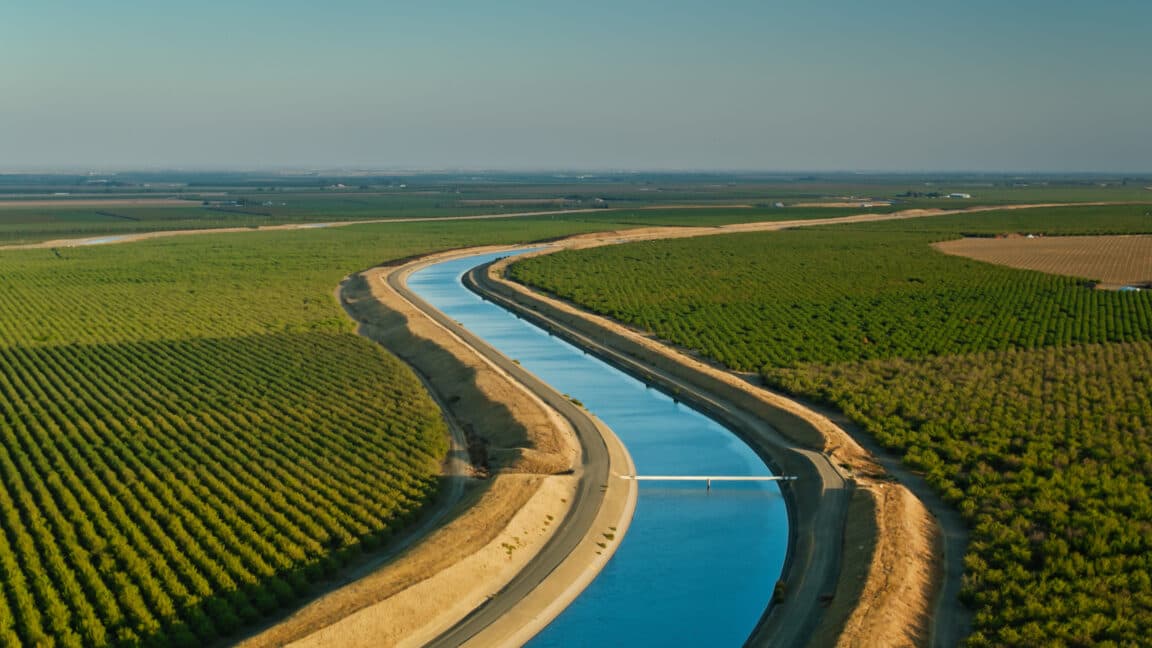
The terms "water use" and "sustainability" often evoke gloomy forecasts, as humanity continues to overlook the implications of declining water supplies. However, recent research reveals that certain actions have effectively reversed groundwater depletion in various regions. A study by Scott Jasechko from the University of California, Santa Barbara, published in Science, examines documented instances of groundwater recovery globally, identifying effective strategies.
Groundwater is a crucial resource for numerous reasons. Typically cleaner than surface water, it is readily accessible and abundant year-round. Humans rely heavily on groundwater for drinking, agriculture, and other needs. Unfortunately, in many areas, groundwater extraction rates have surpassed the natural replenishment through precipitation.
This over-extraction leads to declining water tables, especially near pumping wells, as groundwater moves slowly through geological formations. The consequences of this depletion include rising energy costs for pumping, dried-up wells, and land subsidence due to compacted, desaturated sediment.
While many of these issues can be reversed, it requires ensuring that water entering aquifers exceeds the amount being extracted. Jasechko analyzed 67 studies documenting groundwater recovery after at least a decade of decline, aiming to identify common strategies across these cases.
In 81 percent of the instances reviewed, the introduction of alternative water sources played a critical role in recovery. This change often involved substantial infrastructure investments, such as China's South-to-North Water Diversion Project or the Doosti Dam along the Iran-Turkmenistan border. In other cases, smaller initiatives, like Osaka's utilization of a nearby river, contributed significantly.
Policy and market changes also played a significant role in reducing groundwater extraction in about half of the cases. These measures ranged from outright bans on drilling in specific areas to limitations on larger wells and the implementation of fees for groundwater use. For instance, El Dorado, Arkansas, leveraged fees to fund a pipeline from a neighboring river, halving groundwater extraction.
Other indirect policy changes also resulted in reduced groundwater use. Saudi Arabia's ban on alfalfa cultivation led to controversies in Arizona, where a Saudi firm leased land for alfalfa production. In Japan, changes to wastewater pollution regulations shifted from concentration-based limits, preventing companies from drawing excessive groundwater to dilute their wastewater.
Another commonality among successful recovery efforts was the enhancement of water infiltration into aquifers, known as "artificial recharge." This approach can be challenging, as the rate at which water percolates into the ground is influenced by the geological properties of the area. Effective recharge often requires spreading water over extensive surfaces or pumping it down wells.
Interestingly, in some cases, artificial recharge occurred unintentionally through leaky canals or excessive irrigation, which allowed water to seep back into aquifers.
Groundwater recovery brought both benefits and challenges. While restoring water resources is a clear advantage, it also helped mitigate issues like saltwater intrusion in coastal regions. In Los Angeles, for example, injection walls were constructed to protect freshwater aquifers from encroaching seawater.
Conversely, subsidence—a significant concern in places like Las Vegas and California's Central Valley—can lead to infrastructure damage as the ground sinks. Although subsidence is not always entirely reversible, groundwater recovery can alleviate and even partially reverse this issue, as seen in cities like Shanghai, Bangkok, and Houston.
However, groundwater recovery can also create problems, including flooding in low-lying areas or agricultural land. Structural challenges may arise as previously dry sediments become saturated, leading to land surface shifts, particularly in seismically active regions where liquefaction risks may increase during earthquakes. Additionally, rising water levels can mobilize shallow pollutants and fertilizers, while evaporation from waterlogged fields may lead to salt accumulation in the soil in regions like Turkey and Iran.
From his analysis, Jasechko derived several insights. Most successful cases employed at least two of the three strategies he identified. Complex problems necessitate multifaceted solutions. The timeline for seeing positive groundwater trends varied significantly; some cases showed improvement within years, while others took decades. For instance, Bangkok's implementation of groundwater fees in the late 1970s did not yield significant impact until over 20 years later due to insufficient fee adjustments. Climate variability also complicates the assessment of recovery efforts.
Another critical lesson is the importance of localized details. Certain areas may experience problems when groundwater levels rise beyond specific thresholds, underscoring the necessity of identifying potential issues before they arise. Each situation is unique, requiring tailored solutions.
Ultimately, this study serves as a reminder that groundwater recovery is achievable, offering hope for communities facing water challenges. By learning from successful historical examples, we can develop strategies to address current and future water crises.