
Nexstar's $6.2 Billion Tegna Acquisition Approved by FCC
The FCC has approved Nexstar's $6.2 billion acquisition of Tegna, allowing the company to surpass the national TV ownership cap. Legal challenges from state attorneys general are underway.
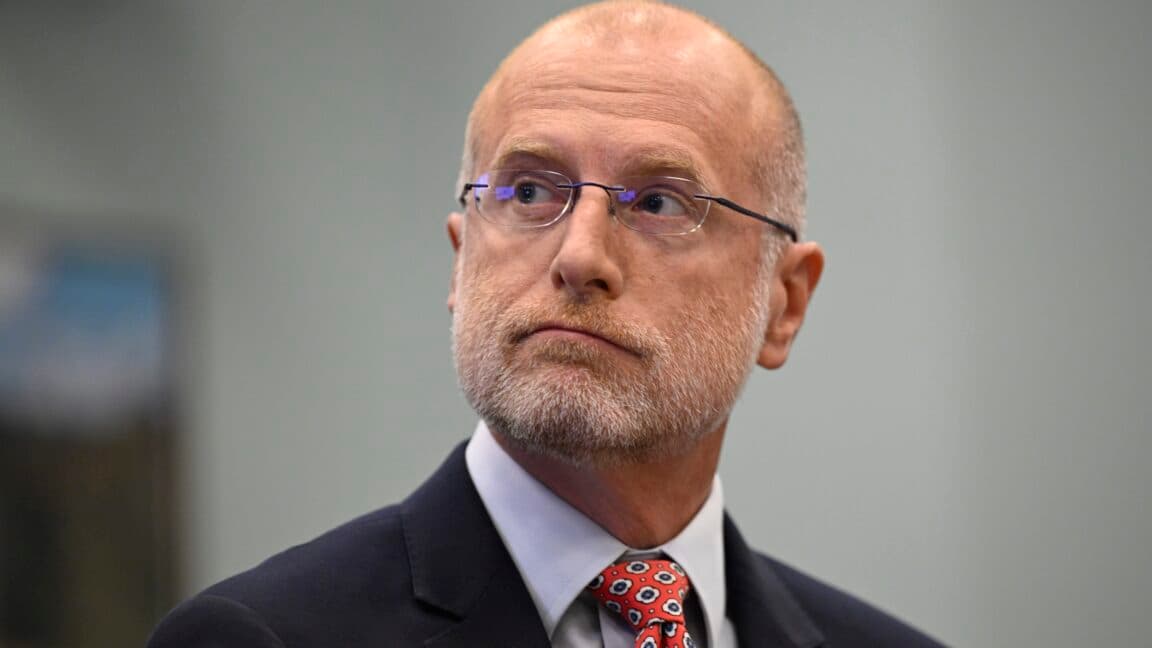
The Federal Communications Commission (FCC) has granted approval for Nexstar Media Group's $6.2 billion acquisition of Tegna, issuing a waiver that allows the company to exceed the national limit on television station ownership.
Nexstar announced it finalized the acquisition yesterday, shortly after receiving the FCC's approval. The deal has also been sanctioned by the US Department of Justice, though a coalition of state attorneys general is currently contesting the merger in court.
Critics argue that the FCC does not have the authority to issue such a waiver, asserting that only Congress can amend the 39 percent ownership cap. The FCC maintains that Nexstar will control fewer than 15 percent of television stations, while the ownership cap is determined by the percentage of US households that a single entity's stations can reach. The combined Nexstar-Tegna operation is projected to reach 80 percent of TV households in the US, or 54.5 percent when factoring in the “UHF discount.”
The anticipated approval from the US government has been on the horizon since February 7, when former President Trump expressed his support for the merger on Truth Social. Trump stated, “We need more competition against THE ENEMY, the Fake News National TV Networks,” and highlighted the potential benefits of the Nexstar-Tegna deal for increasing competition.
Following Trump's endorsement, FCC Chairman Brendan Carr shared the post on X and endorsed the view, arguing that major networks like Comcast and Disney have amassed excessive power and that the merger would foster genuine competition.
Last month, Nexstar had endeared itself to Carr by temporarily pulling Jimmy Kimmel’s show from its 28 ABC affiliates after Carr warned broadcasters about potential license revocations. By approving Nexstar’s expansion, Carr is aligning with a significant player in the media industry, which could provide more favorable coverage for Trump.
Nexstar CEO Perry Sook expressed appreciation for the support from Trump, Carr, and the Justice Department, acknowledging their recognition of the changing media landscape that has allowed the transaction to proceed.
The FCC stated that the merger would empower local broadcasters to better serve their communities by investing in local news and programming. After the merger, Nexstar and Tegna will operate 265 full-power TV stations, which will be reduced to 259 after Nexstar fulfills its commitment to divest six stations in various markets.
Despite the merger approval, Nexstar conducted layoffs at several local TV stations last month. The FCC's National Television Ownership Rule restricts a commercial television licensee from exceeding a combined national audience reach of 39 percent. Nexstar's existing stations already reach 70 percent of US TV households, which will increase to 80 percent with the inclusion of Tegna's stations.
The UHF discount allows only half of the audience reached by UHF stations to be counted towards the ownership cap. This rule was initially established due to technical limitations that UHF stations faced compared to VHF broadcasters.
The FCC eliminated the UHF discount during the Obama administration in 2016, concluding that advancements in digital television mitigated the previous disadvantages of UHF signals. However, under Trump's administration, the FCC reversed this decision, reinstating the UHF discount without disputing the technical rationale behind its previous elimination.
With the UHF discount applied, Nexstar was compliant with the 39 percent rule prior to the merger and now stands at 54.5 percent. The FCC's Media Bureau, in its merger-approval order, stated it has the authority to waive regulations on a case-by-case basis, allowing for an assessment of whether a transaction could benefit public interests, such as enhancing local news coverage.
The FCC also relaxed its Local Television Ownership Rule, permitting Nexstar to own more than two full-power TV stations in 23 market areas, contingent upon the company divesting six stations in specified locations.
Legal challenges to the merger were initiated this week by attorneys general from several states, including California, Colorado, Connecticut, Illinois, New York, North Carolina, Oregon, and Virginia. They argue that the merger would create the largest broadcast station group in the US, concentrating control over broadcast programming and undermining local job markets and news delivery.
According to the states, Nexstar and Tegna together control 221 Big Four stations, representing about half of the outlets affiliated with FOX, NBC, ABC, or CBS. The state attorneys general are seeking a temporary restraining order from a federal judge in California to prevent Nexstar and Tegna from integrating their assets until further review.
In 2004, Congress modified the Telecommunications Act to raise the national audience reach limit from 35 to 39 percent, also stipulating that the FCC could not utilize its forbearance authority to exempt entities from exceeding this cap. Organizations such as the United Church of Christ Media Justice Ministry and Free Press have contended that the FCC lacks the authority to grant waivers for the national cap.
The Carr FCC argues that the prohibition against forbearance applies only to telecom providers, not broadcasters, asserting that it possesses independent authority to issue waivers. According to the FCC, the rule setting the 39 percent cap allows for modifications or waivers as determined by the agency's discretion.
US Representative Doris Matsui (D-Calif.) has contested the FCC's assertion of authority regarding the merger, insisting that only Congress holds the power to amend the 39 percent national television ownership cap.