
Nvidia CEO Defends DLSS 5 Against Gaming Criticism
Nvidia's Jensen Huang addresses concerns over DLSS 5's enhancements. He emphasizes the technology's artist-guided approach amid skepticism from gamers.
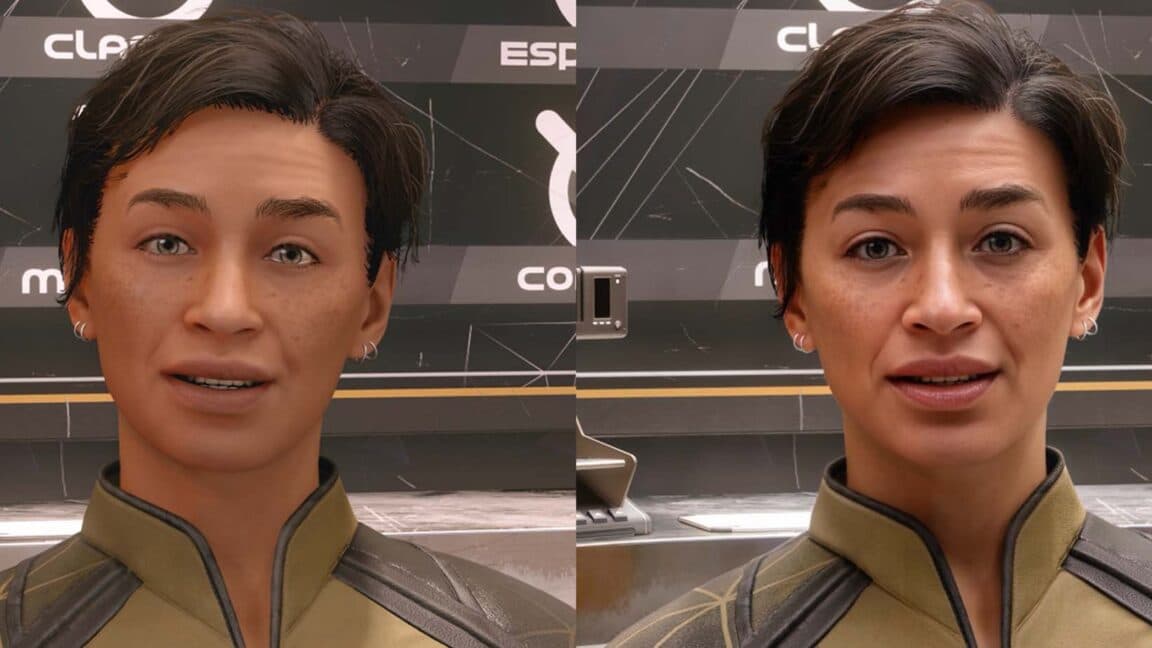
Last week, Nvidia unveiled DLSS 5, showcasing its generative AI enhancements for gaming graphics, which faced significant backlash from the gaming community. In a podcast released on Monday, Nvidia CEO Jensen Huang sought to clarify the distinct nature of the technology, differentiating it from what he refers to as 'AI slop.'
During a nearly two-hour interview on the Lex Fridman Podcast, Huang discussed the controversy surrounding DLSS 5 and the concerns expressed by gamers about it making games appear like 'AI slop.' He acknowledged that he understands these sentiments, stating, 'I could see where they’re coming from, because I don’t love AI slop myself... all of the AI-generated content increasingly looks similar.'
Despite this, Huang asserted that DLSS 5 is fundamentally different from the generic AI content. He explained that the technology is '3D conditioned, 3D guided,' meaning that the original game artists still create the in-game structures and textures that DLSS 5 builds upon. 'Every single frame, it enhances but it doesn’t change anything,' he added.
Most gamers are not concerned about DLSS 5 generating entirely new content, but rather about the potential for its visual enhancements to create a homogenized standard of photo-realism across diverse games. Huang clarified that this concern stems from a misunderstanding of how DLSS 5 operates, stating that it is not simply a post-processing tool.
Instead, he emphasized that DLSS 5 integrates with the artists' work, providing them with advanced tools powered by AI. He noted that artists can train the model to achieve their desired aesthetic, and in the future, they will be able to prompt DLSS 5 with specific examples of the look they want to create.
Huang reiterated that the technology is designed to empower artists, asserting that if they wish to create non-photorealistic styles, DLSS 5 can accommodate that as well. This statement came after similar remarks he made in an interview with Tom’s Hardware, where he highlighted the generative capabilities of DLSS 5 at the geometry level.
However, he acknowledged that confusion among gamers regarding the technology's functionality is understandable, given that previous versions of DLSS were marketed as straightforward post-processing solutions to enhance resolution and frame rates. Huang suggested that if Nvidia intended to introduce a new generative AI tool for artists, they could have done so without redefining the existing DLSS branding.
In the podcast, Huang also mentioned that artists have the option to opt out of using DLSS 5’s enhancements if they do not prefer the look. Nevertheless, Nvidia's partnerships with major game publishers, including Bethesda, Capcom, and Ubisoft, indicate that the technology will be integrated into many upcoming projects.
As gamers will have the option to disable DLSS 5 enhancements, this does not fully alleviate the concerns surrounding the new technology. With the official rollout of DLSS 5 still months away, it is anticipated that Huang and Nvidia will continue to engage with a skeptical gaming audience during this period.